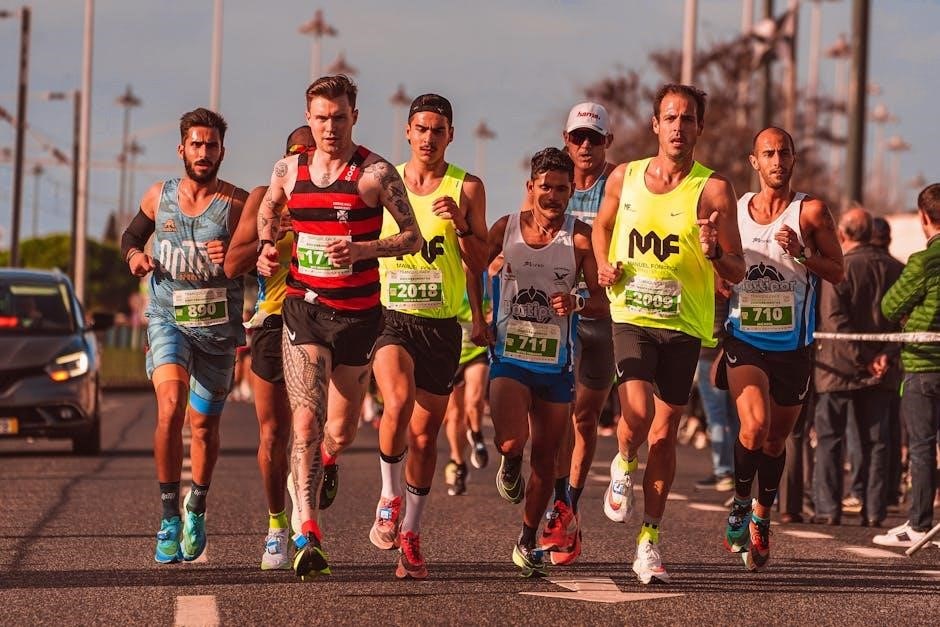
marathon training nutrition plan pdf
Marathon Training Nutrition Plan: A Comprehensive Guide
A well-structured marathon training nutrition plan, often available as a PDF guide, is crucial. It’s nearly as vital as the training itself, focusing on fueling performance, recovery, and overall health throughout all phases.
Embarking on marathon training demands a strategic approach to nutrition, often best outlined in a comprehensive marathon training nutrition plan PDF. This isn’t merely about eating; it’s about fueling optimal performance, accelerating recovery, and safeguarding overall health throughout the rigorous training cycle. Your diet becomes as integral to success as the miles you log.
A thoughtfully designed nutrition plan considers the unique demands of endurance running, recognizing that energy expenditure significantly increases. It moves beyond general healthy eating guidelines, focusing on macronutrient timing and quantities tailored to training intensity and volume. Periodization is key – adjusting your intake to align with base building, peak training, and the crucial tapering phase.
Successfully navigating marathon nutrition requires practice. Experimenting with fueling strategies during training runs is paramount. This ensures your chosen plan aligns with your body’s needs and minimizes the risk of gastrointestinal distress on race day. Downloadable PDF resources often provide structured guidance, but personalization is essential. Remember, a balanced meal plan contributes to sustained energy, satiety, and overall well-being.

II. Understanding Macronutrient Needs
A robust marathon training nutrition plan PDF emphasizes a deep understanding of macronutrient roles – carbohydrates, proteins, and fats – and their proportional intake. For endurance athletes, carbohydrates reign supreme as the primary fuel source, powering both training and race performance. However, dismissing protein and fats would be a critical error.
Carbohydrates should constitute the largest portion of your caloric intake, replenishing glycogen stores depleted during runs. Protein is vital for muscle repair and recovery, mitigating muscle breakdown and promoting adaptation. While fats often receive negative attention, they are essential for hormone production, nutrient absorption, and providing a sustained energy source, particularly during longer efforts.
The ideal macronutrient ratio varies based on individual needs and training phases. A PDF guide will often suggest starting points, but adjustments are crucial. Prioritizing sufficient rest days alongside a well-planned nutrition plan optimizes recovery and adaptation. It’s about balance – ensuring adequate intake of each macronutrient to support the demands of marathon training and overall health.
III. Carbohydrates: The Primary Fuel Source
As detailed in most marathon training nutrition plan PDFs, carbohydrates are the cornerstone of an endurance athlete’s diet. They are broken down into glucose, which is stored as glycogen in the muscles and liver, serving as the readily available fuel for running. Depleting these glycogen stores leads to fatigue and “hitting the wall,” a dreaded experience for marathoners.
The quantity of carbohydrates needed increases significantly with training volume. A PDF guide will typically recommend 6-10 grams of carbohydrates per kilogram of body weight daily, potentially increasing during peak training weeks. Prioritize complex carbohydrates like whole grains, fruits, and vegetables for sustained energy release. Simple sugars can be strategically used before or during runs for a quick boost.
Practicing carbohydrate intake during training is paramount. A nutrition plan should include experimenting with different sources – gels, chews, sports drinks – to determine what your body tolerates best. This ensures you’re adequately fueled on race day and avoids gastrointestinal distress. Remember, carbohydrate loading is a technique best implemented under guidance from a PDF or a professional.
IV. Protein: Muscle Repair and Recovery
A comprehensive marathon training nutrition plan PDF emphasizes the critical role of protein, extending beyond simply building muscle. While marathon running isn’t primarily about muscle gain, the repetitive impact causes muscle breakdown, necessitating adequate protein intake for repair and recovery. Protein also contributes to immune function, which can be compromised by intense training.
Most PDF guides recommend 1.2-1.7 grams of protein per kilogram of body weight daily for marathoners. Lean sources like chicken, fish, beans, lentils, and tofu should form the bulk of your protein intake. Distributing protein intake throughout the day, rather than consuming it in one large meal, optimizes muscle protein synthesis.
Timing is also key. Consuming protein within 30-60 minutes post-run, often in combination with carbohydrates, aids in muscle recovery and glycogen replenishment. A nutrition plan should incorporate this post-run “recovery window.” While protein supplements can be convenient, prioritize whole food sources whenever possible. A well-designed PDF will detail appropriate protein sources and timing strategies.
V. Fats: Essential for Endurance
A detailed marathon training nutrition plan PDF often clarifies the importance of dietary fats, dispelling the myth that they should be strictly limited. While carbohydrates are the primary fuel, fats are crucial for endurance performance, providing a sustained energy source, especially during longer runs. They also aid in hormone production and the absorption of fat-soluble vitamins.
The focus should be on healthy fats – unsaturated fats found in avocados, nuts, seeds, olive oil, and fatty fish. These support cardiovascular health and reduce inflammation. A PDF guide typically recommends that 20-35% of your daily calories come from fats. Avoid excessive saturated and trans fats, which can hinder performance and recovery.
Don’t drastically reduce fat intake during training, as it can negatively impact energy levels and hormone balance. A well-structured nutrition plan will outline appropriate fat sources and quantities. Experiment with different fat intakes during training to determine what works best for your body, as detailed in many PDF resources.
VI. Hydration Strategies for Marathoners
A comprehensive marathon training nutrition plan PDF emphasizes that hydration is paramount, often as crucial as fueling. Dehydration significantly impairs performance, leading to fatigue, cramping, and even serious health risks. A detailed PDF guide will outline a strategic approach to hydration, encompassing pre-run, during-run, and post-run protocols.
Understanding sweat rate is key. This varies individually and is influenced by factors like intensity, duration, and environmental conditions. Many PDF resources suggest a sweat test to estimate fluid loss. General guidelines recommend drinking consistently throughout the day, not just during runs.
Electrolytes, lost through sweat, are also vital. Sodium, potassium, and magnesium play crucial roles in muscle function and fluid balance. A nutrition plan will often recommend electrolyte-rich drinks or supplements, particularly for longer runs. Ignoring hydration, as highlighted in many PDF guides, can derail even the best training.
VII. Pre-Run Hydration
A detailed marathon training nutrition plan PDF stresses the importance of starting your run properly hydrated. This isn’t about chugging water right before; it’s a consistent process in the hours leading up to exercise. Aim to drink approximately 5-7 ml of fluid per kilogram of body weight at least four hours before your run, as detailed in many PDF guides.
This allows sufficient time for your body to absorb the fluids and eliminate any excess. Avoid sugary drinks immediately before, as they can cause gastrointestinal distress. Water or electrolyte-balanced beverages are preferable. A nutrition plan PDF will often include a hydration checklist to ensure adequate intake;
Monitoring urine color is a simple indicator of hydration status – pale yellow suggests good hydration, while dark yellow indicates dehydration. Pre-hydration, as emphasized in these PDF resources, sets the foundation for optimal performance and prevents early fatigue. Don’t underestimate this crucial step!
VIII. Hydration During the Run
A comprehensive marathon training nutrition plan PDF highlights that maintaining hydration during a run is as critical as pre-hydration. Sweat rates vary significantly, but a general guideline, often detailed in these PDF resources, is to consume 0.4-0.8 liters of fluid per hour, adjusted based on individual needs and environmental conditions.
Electrolyte balance is key; simply drinking water can dilute sodium levels, leading to hyponatremia. Sports drinks containing electrolytes, or electrolyte tablets added to water, are recommended. Many PDF plans provide charts to estimate sweat loss and tailor fluid intake accordingly.
Practice your hydration strategy during training runs to determine what works best for your body. Don’t wait until you feel thirsty to drink – thirst is a sign you’re already dehydrated. A well-structured nutrition plan PDF will emphasize consistent, small sips throughout the run, rather than large gulps, to aid absorption and prevent discomfort.
IX. Post-Run Rehydration
A detailed marathon training nutrition plan PDF emphasizes that rehydration post-run is paramount for recovery. The goal isn’t just to replace fluids lost through sweat, but also to restore electrolyte balance and support muscle repair. These PDF guides often recommend a 150% fluid replacement within the first few hours after finishing a run.
Sodium is particularly important to replenish, as it’s lost in sweat. Consuming a beverage with electrolytes, or pairing water with a salty snack, can help. Many PDF plans suggest weighing yourself before and after a run to estimate fluid loss and guide rehydration efforts.
Beyond water and electrolytes, post-run recovery drinks or meals should also include carbohydrates and protein to replenish glycogen stores and aid muscle recovery. A comprehensive nutrition plan PDF will provide specific recommendations for fluid intake based on run duration and intensity, ensuring optimal recovery and preparing you for the next training session.
X. Building Your Marathon Training Meal Plan
A robust marathon training nutrition plan PDF stresses the importance of a personalized meal plan. It’s not a one-size-fits-all approach; it requires understanding individual calorie needs and tailoring intake to training phases. These PDF resources typically begin with a calorie needs assessment, factoring in weight, height, age, gender, and training volume.
Meal timing and frequency are also critical components. A well-structured PDF guide will advocate for consistent fueling throughout the day, rather than large, infrequent meals. This helps maintain stable blood sugar levels and provides a steady stream of energy for training.

The nutrition plan PDF will often detail how to balance macronutrients – carbohydrates, protein, and fats – to support training demands. It emphasizes periodizing your diet alongside your training, adjusting intake based on whether you’re in a base-building, peak, or tapering phase. Ultimately, the goal is to optimize performance, recovery, and overall health.
XI. Calorie Needs Assessment
A comprehensive marathon training nutrition plan PDF begins with a thorough calorie needs assessment. This isn’t simply about maintaining weight; it’s about fueling the increased energy demands of running mileage. Most PDF guides utilize formulas considering basal metabolic rate (BMR) – the calories needed at rest – and activity levels.
Factors like weight, height, age, and gender are foundational to calculating BMR. Then, a multiplier is applied based on training intensity and duration. A PDF resource will likely provide different multipliers for easy runs versus long runs or interval sessions. It’s crucial to remember that these are estimates; individual needs vary.
The nutrition plan PDF will often advise tracking calorie intake for a week to establish a baseline. This allows for adjustments based on weight changes and perceived energy levels. A successful nutrition plan acknowledges that calorie needs increase significantly during peak training weeks and may decrease during tapering.
XII. Meal Timing and Frequency
A detailed marathon training nutrition plan PDF emphasizes strategic meal timing and frequency, moving beyond simply calorie counting. Frequent, smaller meals are generally recommended over large, infrequent ones to maintain stable blood sugar levels and consistent energy. The PDF will likely suggest eating every 3-4 hours.
Pre- and post-run nutrition are highlighted. A nutrition plan PDF will detail consuming carbohydrates before runs to top up glycogen stores and protein/carbohydrates after runs to aid muscle recovery. Timing around training is paramount; a substantial meal should be consumed 2-3 hours before a long run.
The PDF resource will often advocate for “topping up” glycogen stores throughout the day, especially during high-mileage weeks. This involves incorporating carbohydrate-rich snacks between meals. Consistent timing helps the body adapt to utilizing fuel efficiently. Ignoring meal timing can lead to energy crashes and hinder performance, as the plan aims to avoid.
XIII. Nutrition for Different Training Phases
A comprehensive marathon training nutrition plan PDF doesn’t offer a one-size-fits-all approach; it’s periodized to align with training phases. The PDF will detail how nutritional needs shift dramatically from base building to peak training and tapering.
During the base building phase, the focus is on establishing healthy eating habits and ensuring adequate calorie intake to support increased mileage. The plan emphasizes a balanced diet with sufficient carbohydrates, protein, and fats. As training intensifies during the peak phase, carbohydrate needs increase significantly to fuel longer runs and higher intensity workouts, as detailed in the PDF.
The nutrition plan PDF will also outline adjustments for the tapering phase. Calorie intake is often reduced slightly to match decreased training volume, while carbohydrate intake remains relatively high to maintain glycogen stores. Recovery becomes even more critical, with increased protein intake to support muscle repair. The PDF stresses adapting the diet to the body’s demands.
XIV. Base Building Phase Nutrition
A marathon training nutrition plan PDF highlights the base building phase as foundational. This initial stage prioritizes establishing consistent, healthy eating habits to support gradually increasing mileage. The PDF emphasizes a balanced macronutrient intake – carbohydrates, protein, and fats – to fuel workouts and promote recovery.
The plan typically recommends a carbohydrate intake of around 50-60% of total calories, focusing on complex carbohydrates like whole grains, fruits, and vegetables. Protein intake, around 1.2-1.4 grams per kilogram of body weight, supports muscle adaptation. Healthy fats, comprising 20-30% of calories, are crucial for hormone production and overall health, as detailed in the PDF.
Hydration is also paramount during this phase. The nutrition plan PDF advises consistent fluid intake throughout the day, not just during runs. It’s a time to experiment with pre- and post-run snacks to identify what works best for your body. The goal is to build a nutritional foundation for the more intense phases ahead, as outlined in the PDF.
XV. Peak Training Phase Nutrition
The marathon training nutrition plan PDF details that the peak training phase demands increased caloric intake to match higher mileage and intensity. Carbohydrate needs escalate to 60-70% of total calories, prioritizing easily digestible sources before, during, and after long runs. This phase requires strategic fueling to prevent depletion and support performance, as explained in the PDF.

Protein intake remains crucial, around 1;4-1.6 grams per kilogram of body weight, to aid muscle repair and adaptation from strenuous workouts. The PDF stresses the importance of timing protein intake around training sessions. Healthy fats continue to play a vital role, but should be consumed in moderation to avoid digestive issues during runs.
Hydration becomes even more critical. The nutrition plan PDF emphasizes proactive hydration strategies, including electrolyte replacement, especially during longer efforts. This phase is also the time to rigorously practice race-day nutrition – gels, chews, or real food – to ensure your body tolerates them well. The PDF advises periodizing your training and incorporating sufficient rest days to optimize recovery and adaptation.
XVI. Tapering Phase Nutrition
As detailed in the marathon training nutrition plan PDF, the tapering phase necessitates a shift in nutritional focus. While training volume decreases, caloric intake should be slightly reduced – approximately 10-20% – to avoid unwanted weight gain. However, carbohydrate loading begins during this period, increasing intake to 70-80% of total calories in the final 3-4 days, as outlined in the PDF.
This carbohydrate loading strategy maximizes glycogen stores, providing ample fuel for race day. Protein intake remains consistent to support muscle recovery and prevent breakdown. The nutrition plan PDF advises continuing to prioritize easily digestible carbohydrates and limiting high-fiber foods to avoid gastrointestinal distress.
Hydration remains paramount, maintaining consistent fluid intake. The PDF stresses avoiding drastic changes to your diet during this phase; stick to foods you’ve successfully used during training. Focus on balanced meals that provide sustained energy and support optimal recovery. This phase isn’t about restriction, but about refining your fueling strategy for peak performance, as the PDF clearly explains.
XVII. Pre-Race Nutrition: The Final Days
The marathon training nutrition plan PDF emphasizes that the 72 hours leading up to the race are critical for maximizing energy stores. Carbohydrate loading continues, aiming for 8-12 grams of carbohydrate per kilogram of body weight daily. This isn’t about overeating, but strategically increasing carbohydrate intake while reducing fat and protein slightly, as detailed in the PDF.
Focus on easily digestible carbohydrates like white rice, pasta, and potatoes. The nutrition plan PDF advises avoiding high-fiber foods, spicy dishes, and anything new that could cause digestive upset. Hydration is also key; sip water consistently throughout the day, avoiding excessive amounts at once.
The PDF stresses practicing your pre-race meal plan during long training runs to ensure it agrees with your stomach. Avoid alcohol and excessive caffeine. Prioritize restful sleep alongside optimal nutrition. The goal is to arrive at the starting line feeling energized, hydrated, and confident, fully prepared to execute your race strategy, as the marathon training nutrition plan PDF comprehensively outlines.
XVIII. The Night Before the Marathon
According to the marathon training nutrition plan PDF, the evening meal before the race should be high in carbohydrates, moderate in protein, and low in fat and fiber. A classic choice is pasta with a light tomato sauce and a small portion of lean protein, like chicken or fish. The PDF cautions against trying anything new; stick to foods you’ve successfully consumed during training.
Portion control is important – avoid overeating, as this can lead to discomfort during the race. The nutrition plan PDF recommends aiming for around 800-1000 calories, depending on your individual needs. Continue to hydrate consistently, sipping water or an electrolyte drink throughout the evening.
Avoid alcohol and excessive caffeine, as these can disrupt sleep and hydration. The PDF emphasizes the importance of a good night’s sleep. Prepare your race day breakfast and outfit to minimize morning stress. Relax and visualize a successful race, trusting in your training and the marathon training nutrition plan PDF’s guidance.
XIX. Race Day Breakfast
The marathon training nutrition plan PDF stresses the importance of a familiar and easily digestible breakfast on race day. This isn’t the time for experimentation! Aim to consume your breakfast 2-3 hours before the race start, allowing sufficient time for digestion. A typical recommendation, detailed in the PDF, is oatmeal with banana and a small amount of peanut butter.
The nutrition plan PDF highlights the need for a high-carbohydrate intake to top off glycogen stores. Avoid high-fat, high-fiber, and protein-rich foods, as these can cause gastrointestinal distress. Hydrate well with water or a sports drink alongside your breakfast. The PDF suggests consuming around 500-700 calories, adjusting based on individual tolerance.

Practice your race day breakfast during training runs to ensure it sits well. Avoid large amounts of caffeine, and remember to bring a small, easily digestible snack for the hour before the start if needed, as outlined in the marathon training nutrition plan PDF.
XX. Fueling During the Marathon

As the marathon training nutrition plan PDF emphasizes, consistent fueling during the race is paramount to prevent “hitting the wall.” Your body’s glycogen stores deplete after approximately 90-120 minutes of running, making external carbohydrate intake essential. The PDF recommends consuming 30-60 grams of carbohydrates per hour, starting early – around the 45-minute mark – and continuing regularly.
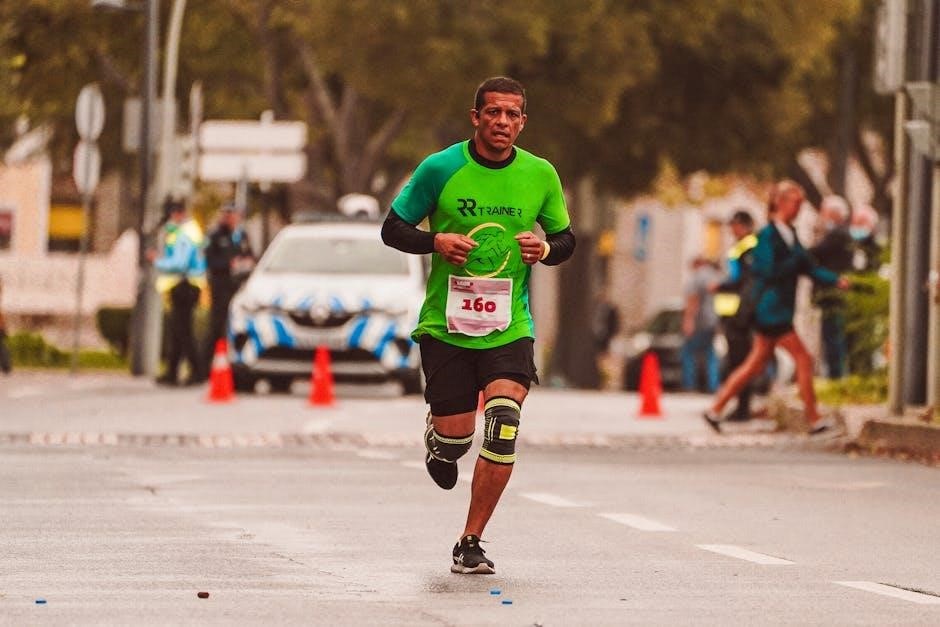
The nutrition plan PDF details various fueling options, including energy gels, chews, and sports drinks. These provide a concentrated source of carbohydrates in an easily digestible form. Practice with these during long training runs to determine what works best for your stomach. The PDF also suggests considering real food options like bananas or dates for variety.
Hydration is equally crucial. The marathon training nutrition plan PDF advises taking small, frequent sips of water or a sports drink throughout the race. Aim to consume fluids at every aid station. Remember to adjust your fueling strategy based on weather conditions and your individual sweat rate, as detailed within the PDF guidelines.
XXI. Gels, Chews, and Sports Drinks
As outlined in a comprehensive marathon training nutrition plan PDF, gels, chews, and sports drinks are convenient carbohydrate sources for fueling during a marathon. The PDF stresses the importance of practicing with these during long runs to assess tolerance and identify preferred flavors and textures. Gels typically deliver a concentrated carbohydrate boost, often requiring water for optimal absorption, as detailed in the PDF.
Chews offer a slightly slower release of carbohydrates compared to gels, potentially reducing the risk of gastrointestinal distress, a point highlighted in the nutrition plan PDF. Sports drinks provide carbohydrates alongside electrolytes, aiding in hydration and replacing those lost through sweat. The PDF emphasizes reading labels to understand carbohydrate content and electrolyte profiles.
The marathon training nutrition plan PDF recommends consuming 30-60 grams of carbohydrates per hour, and these products are designed to help achieve that. Experimentation is key; the PDF advises against trying anything new on race day. Proper disposal of gel packets and chew wrappers is also addressed within the PDF’s race-day tips.
XXII. Real Food Options During the Race
A detailed marathon training nutrition plan PDF acknowledges that some runners prefer real food over gels and chews during a marathon. The PDF suggests easily digestible options like banana slices, dates, pretzels, or even small pieces of energy bars. These provide a psychological break from sweet, processed fuels and can be gentler on the stomach for some, as noted in the PDF.
However, the nutrition plan PDF stresses careful planning and practice. Real food requires more chewing and digestion time than gels, potentially slowing you down. The PDF recommends testing these options extensively during long training runs to ensure they don’t cause digestive issues. Portion control is crucial; the PDF advises consuming small amounts frequently.
The marathon training nutrition plan PDF also highlights logistical considerations. Carrying real food requires space and can be messy. Proper disposal of wrappers and peels is essential. The PDF suggests utilizing race-course aid stations for readily available options like bananas, but emphasizes knowing what’s offered and having a backup plan. Ultimately, the PDF advocates for personalized fueling strategies.
XXIII. Post-Marathon Recovery Nutrition
A comprehensive marathon training nutrition plan PDF dedicates significant attention to post-race recovery, emphasizing the “golden window” of the first 30-60 minutes. The PDF recommends immediately consuming a combination of carbohydrates and protein – ideally a 3:1 or 4:1 ratio – to replenish glycogen stores and initiate muscle repair. Examples include chocolate milk, a protein shake with fruit, or a bagel with peanut butter, as detailed in the PDF.
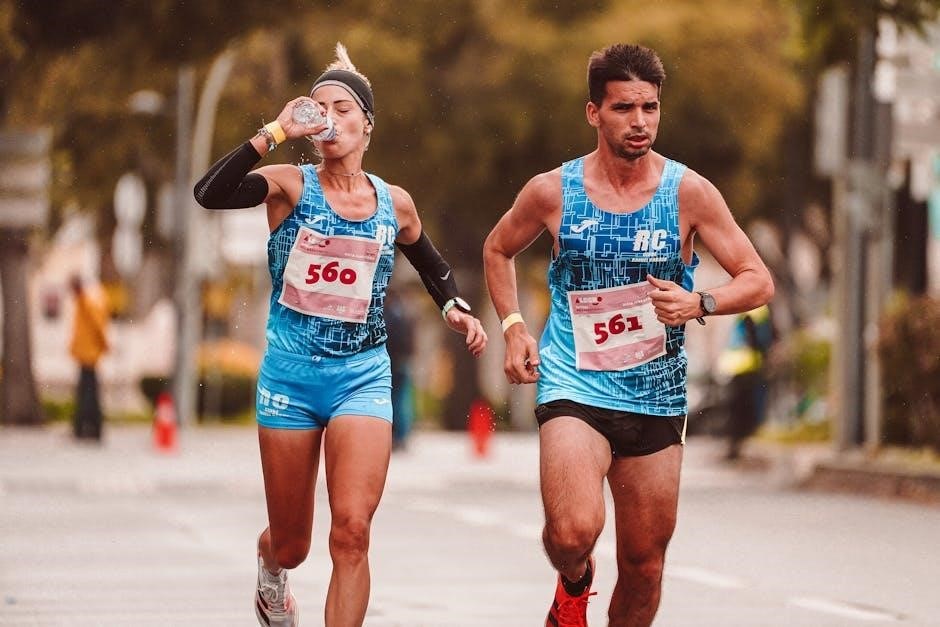
The nutrition plan PDF stresses rehydration as paramount, suggesting water and electrolyte-rich beverages to replace fluids lost during the race. The PDF advises continuing to prioritize protein intake throughout the day to support muscle recovery. Larger meals should focus on complex carbohydrates, lean proteins, and healthy fats.
The marathon training nutrition plan PDF also cautions against restrictive dieting immediately post-race. The body needs fuel to recover. The PDF suggests a gradual return to normal eating patterns over several days, focusing on nutrient-dense foods. Ignoring post-race nutrition can prolong recovery and increase the risk of injury, as highlighted in the PDF.
XXIV. Immediate Post-Race Recovery
A detailed marathon training nutrition plan PDF underscores the critical importance of the immediate post-race period – the first 30-60 minutes – for initiating recovery. This PDF emphasizes consuming approximately 30-60 grams of carbohydrates alongside 10-20 grams of protein. This combination, as outlined in the PDF, rapidly replenishes depleted glycogen stores and begins the muscle repair process.
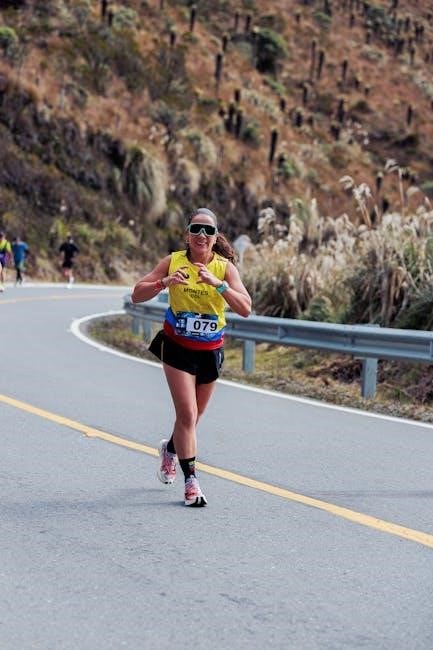
The nutrition plan PDF suggests easily digestible options like chocolate milk, a fruit smoothie with protein powder, or a sports recovery drink. The PDF also stresses the necessity of rehydration, recommending 16-24 ounces of fluid per pound of weight lost during the race, prioritizing electrolyte replacement.
According to the marathon training nutrition plan PDF, delaying this initial recovery nutrition can significantly hinder the body’s ability to bounce back. The PDF cautions against waiting until feeling hungry, as glycogen depletion can impair appetite. The PDF highlights that this immediate intake sets the stage for subsequent recovery efforts, influencing overall healing and adaptation.


Leave a Reply
You must be logged in to post a comment.